

There is no doubt that RuPaul’s Drag Race is a cultural phenomenon, with the show earning eight consecutive Emmy Awards from 2016 to 2023 and expanding to a multitude of spin-offs and international versions. However, in recent years, Drag Race has come under fire for giving fans “drag fatigue” and burnout.
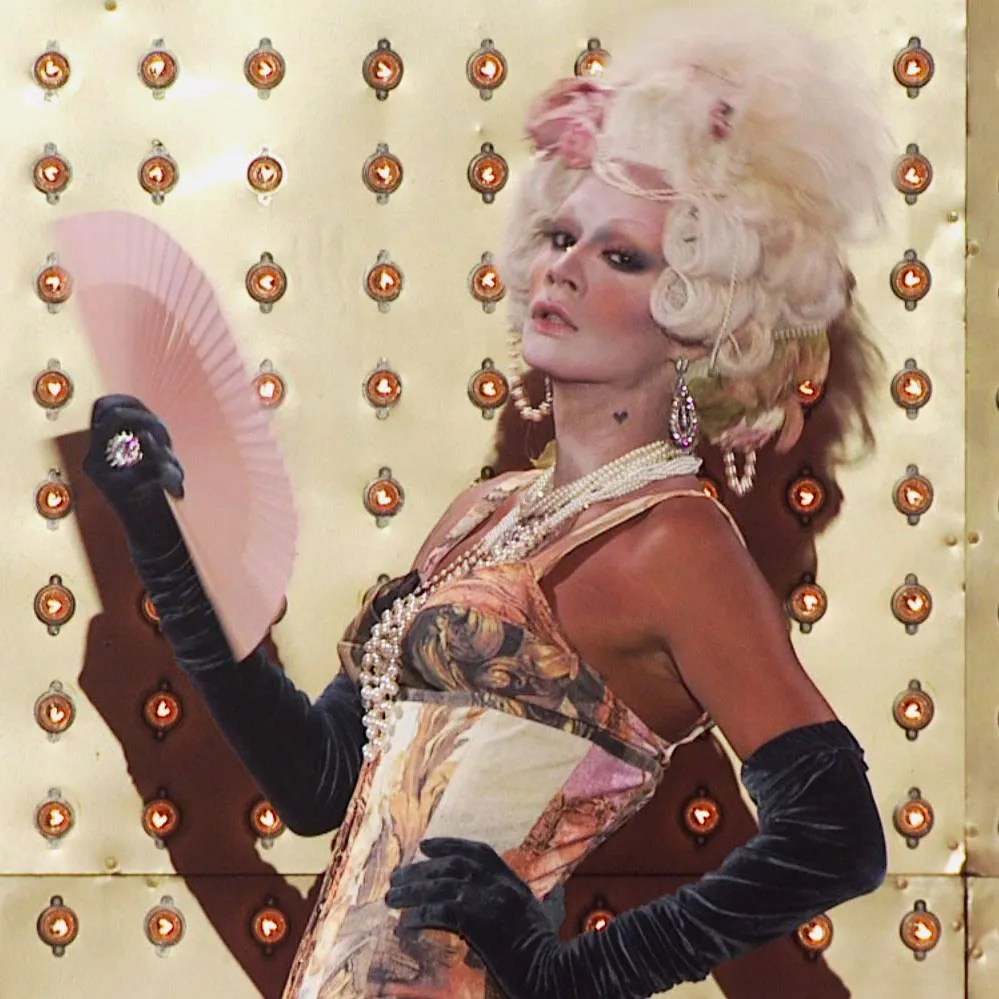
Fans have explained that while the show is not explicitly declining in popularity or quality, they find that there is “simply not enough space in our heads for so many seasons, so many queens, so many memes, so many international seasons” (via Reddit community r/rupaulsdragrace). This was evident in fan critiques of All Stars 8, announced shortly after Drag Race Season 15’s finale, around featuring less established queens. By comparison earlier All Stars seasons had longer gaps between release and the ability to build more excitement.
Audience and ad fatigue is a challenge to marketeers and brands, usually occurring when brands lack variety in their creative elements, use a high frequency of repeated content or run campaigns for an extended period without change. To me, it seemed as if Drag Race had fallen into this rut and the last time I had watched seasons from start to finish was in 2019. However, something changed this week.
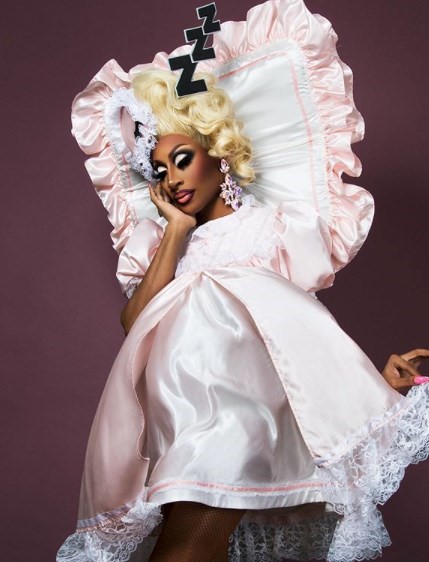
This week, the first episode of All Stars Season 9 appeared in on my YouTube homepage, fresh from the WOWPresents channel. The episode amassed 626k views in only 5 days, a marked difference from other recent videos on the channel. The season features queens including Roxxxy Andrews, Plastique Tiara, Shannel and Nina West, who even fans that stopped watching many seasons ago will remember.
The distribution form of the episode felt like a true revival of 2010s video streaming, before the popularisation of streaming services, when web users would flock to YouTube and Dailymotion to find uploads of TV shows inaccessible on their cable provider. Showcasing the entire first episode, as opposed to the usual short form social content that broadcasters push out to grab attention, also hooked me in an accessible way that I haven’t seen from established media in a long time.
All Stars Season 9 also has a new premise, the $200,000 grand prize will be donated to the charity of the winner’s choosing in a theme of drag for charity.
The show is not all fashion and fabulousness, episode one of the season poignantly features a powerful conversation with the cast who discuss at length LGBT+ struggles including the Anti-Drag bill in Florida (Florida’s SB 1438), voter registration, and queer rights. This season takes place during a US election year and reminds viewers of not only the social significance of the show in making global slides of LGBT+ representation, but also the inherently political nature of drag.
Nostalgia marketing, which uses familiar elements from the past to evoke an emotional connection with target audiences, is a powerful tactic in media. The highest grossing movie of 2023, Barbie, is credited for implementing highly effective nostalgia marketing to connect with viewers’ inner child and this year the iconic film Mean Girls was rebooted.
It is unusual, and perhaps even unintentional, to see a brand using a nostalgic distribution form in the way Drag Race did, as nostalgia typically depends on content elements. Combined with the use of familiar cast members and an appeal to charity, I predict that this season of Drag Race has the ability to break viewers out of their fatigue with the franchise and revive the interest of more former watchers like myself.
If you would like to decode how your brand can make use of nostalgic distribution strategies or break free of ad fatigue, consider getting in touch with me to work together here. To learn more about media trends and developments, subscribe to Studio Melina to get regular updates in your mailbox and follow my LinkedIn.
Until then, I’ll be watching the new Drag Race All Stars.
 Marketing by Melina
Leave a comment