

Why are adult women buying hundreds of dollars worth of plastic cherubs? The answer may lie in better understanding a new wave of inner child consumerism and a Blind Box Market valued at $13.5 billion.
Sonny Angels are a line of figurines created in 2004 by Japanese toy manufacturer Toru Soeya, the CEO of the Japanese company Dreams Inc. Sonny Angels have exploded in popularity, prominently trending on TikTok and with SNL dedicating an entire skit that features Dua Lipa to the brand.
The collectables feature a cherubic baby boy with tiny wings on his back wearing different headgear or costumes themed around animals, fruits, vegetables, flowers, and more. Notably, Sonny Angels are sold in blind boxes, meaning collectors don’t know which specific figure they will get until they open the package. Dreams Inc. also sells blind boxes of Smiski collectable figurines.
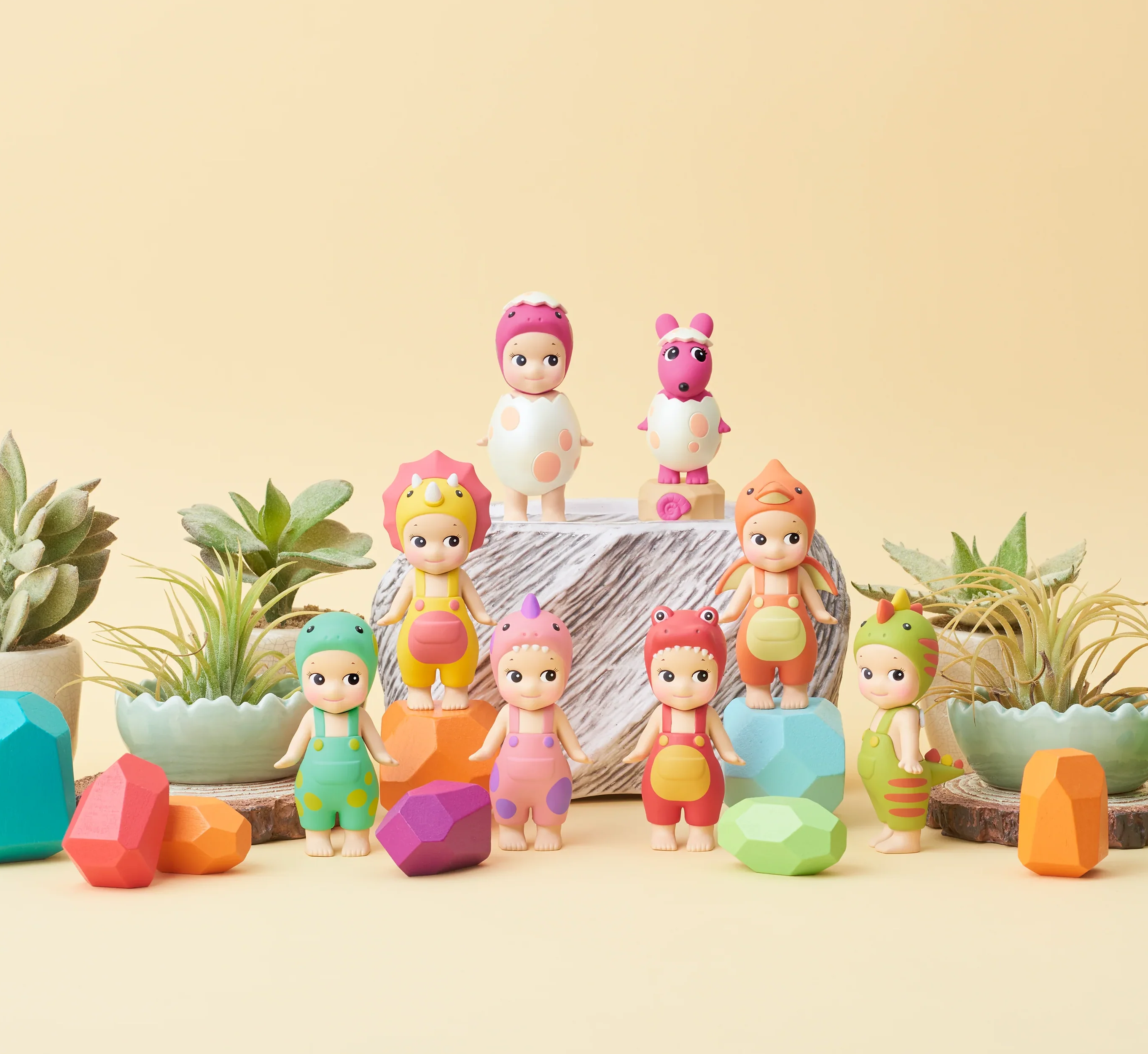
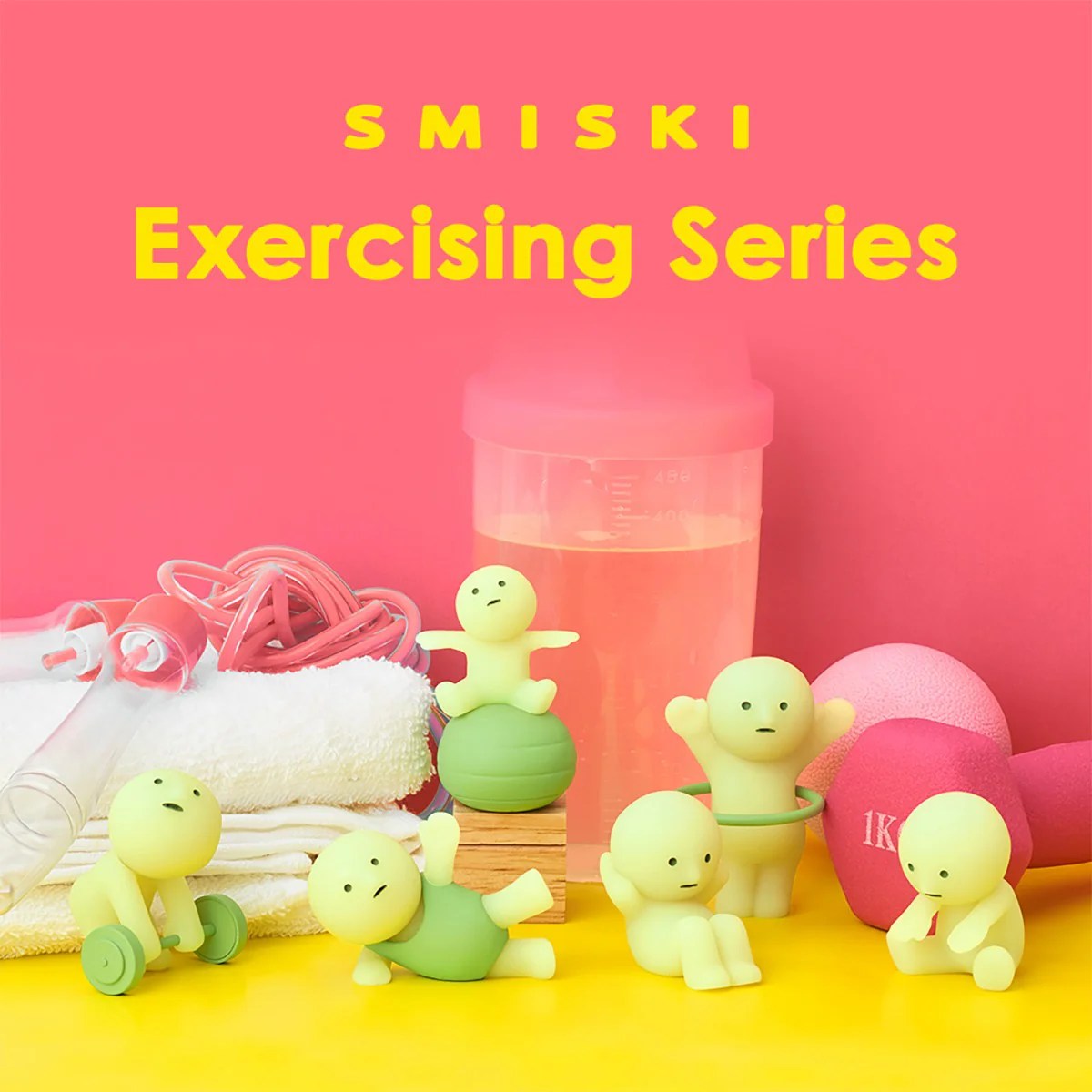
Unboxing videos of Sonny Angels garner millions of views on TikTok and #sonnyangel has at present over 123 000 posts on the app. According to Hiroshi Sukegawa, manager of the marketing division at Dreams, the “lucky draw aspect of not knowing what you’re going to get is really compatible with TikTok.”
This month, the Blind Box Market was valued at $13.5 billion worldwide and the appeal of this type of good can be explained by what Lauren Malanga calls the “thrill of an unknown yet controlled surprise.” As Sonny Angels were designed to comfort working women in their mid-20s dealing with the stresses of adulthood, a low-risk surprise that calls back to childhood blind boxes such as Pokémon cards and Happy Meals feels like a perfect fit.
In addition, the nostalgic appeal of Sonny Angels appears to offer collectors solance from the pressures of modern adulthood. The collectibles are another example of commodities that millennials and Gen Z may describe as “healing” for their inner child. The Dreams Inc. website uses the word “healing” extensively.
‘Inner child’ marketing as a strategy taps into the idea of “kidults,” adults who are drawn to the toys, characters, and memories of their youth. By using nostalgic themes, brands can create strong emotional connections with their audiences, fostering loyalty and long-term customer engagement. Community building has also been fostered through Sonny Angels, with meet ups and trade events taking place in the USA.
While certain creators warn that collecting these figurines can become ‘addictive’ and concerns over their environmental impact have been raised, it’s unlikely that the Sonny Angel craze will fade anytime soon. In our fast-paced, often overwhelming world, these playful and relatively harmless collectables offer young adult consumers a comforting escape from reality.
We’re also seeing more brands take a leaf from the Sonny Angel’s book as the Mini Brands Retro Collection debuted at Target, featuring miniture classic products such as Kodak Film, Campbell’s Tomato Soup, and Energizer Batteries. Even luxury brands have tried out the concept of the blind box in China where Lanvin created a blind box lottery via WeChat for Chinese Valentine’s Day last year, seen as a way of gamifying e-commerce.
It’s clear that this blend of surprise, nostalgia, and escapism resonates strongly with modern consumers. As more brands adopt the ‘inner child’ marketing strategy, the appeal of blind box products and controlled surprises seem poised to continue.
 Marketing by Melina
Leave a comment