
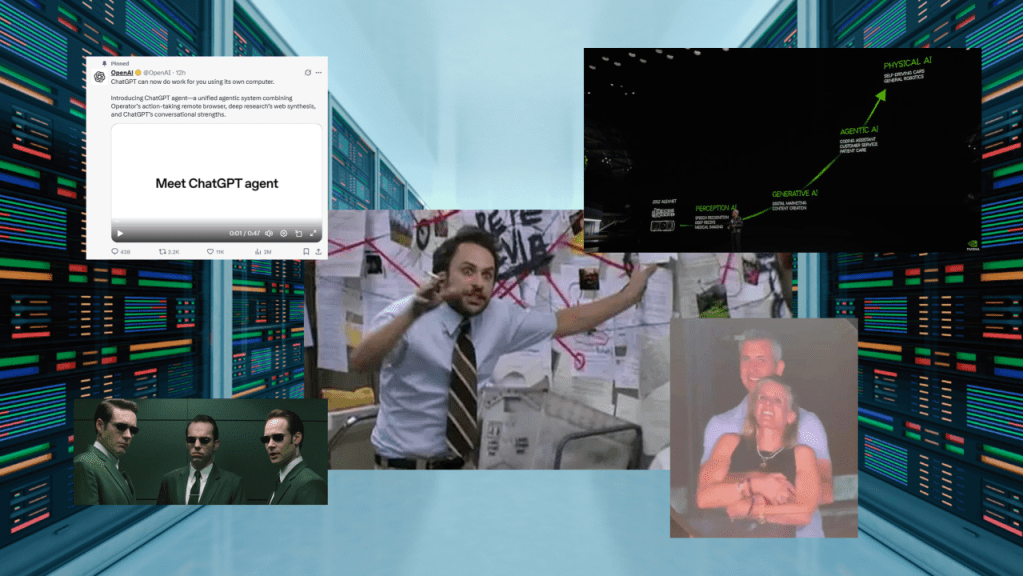
If it feels like every other person on LinkedIn now runs an “AI-powered” startup, you’re not imagining things. The pace of change in Big Tech is accelerating and erratic. Employees face mounting pressure to “optimize workflows,” monetize innovation, and keep up with rapid advancements. But that often clashes with ethical concerns, environmental sustainability, and their ability to adapt, or even understand what’s happening behind the prompts.
This week, big tech took an unexpected, very human form: the CEO of Astronomer, an “AI-powered” software company that raised $93 million in its last round, went viral. Not for a product launch, but for being caught on a Kiss Cam at a Coldplay concert with his Chief People Officer.
I find it fascinating that this story eclipsed so much of the tech news about advancements that will literally shape our future world. However, I believe it’s partly owed to its messy human nature, and the fact that you don’t need a PhD in engineering to understand it. Among so much jargon and high-level buzzwords, here’s what’s going on behind the headlines, and why it matters.
- ChatGPT Agents Signal a Turning Point
Yesterday OpenAI introduced ChatGPT Agents, autonomous tools that can perform multi-step tasks across applications. Think: booking your travel, filling in spreadsheets, organizing files, or even coordinating basic workflows. This is considered agentic AI (autonomous systems that can make decisions and perform tasks without human intervention).
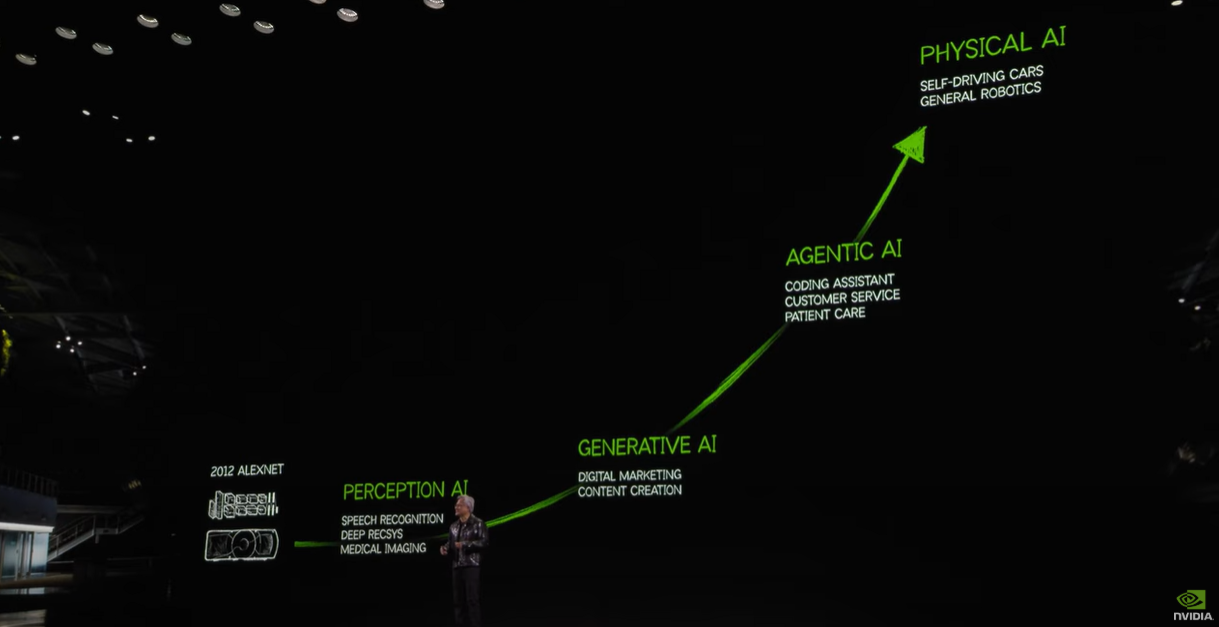
Remember in January of this year when NVIDIA founder Jensen Huang presented this keynote at CES 2025? Open AI’s release of agents makes it seem like we’re right on track to physical AI and maybe even futurist Ray Kurzweil’s theory of singularity by 2029.
For businesses, agentic AI can afford enormous efficiency gains, especially for routine administrative work. But it raises new, deeply-human questions around how this affects workforces. Are workers able and ready to adapt? How many more human employees will become redundant? And just how dangerous is this? These rapid advances can’t help but make me anxious about a Matrix-like outcome. Agent Smith, anyone?
- The AI Talent Wars: Meta, OpenAI & the $100M Bonus
Meta, Google, and OpenAI are investing billions into AI research and recruiting top-level talent. It was reported that Meta poached three OpenAI researchers with $100M bonuses last month. It’s clear that AI talent is in huge demand, however a recent post by McKinsey has advised firms to maintain investment in entry-level roles for young people to avoid long-term talent gaps.
And for workers outside of the AI spotlight, the landscape feels increasingly unstable. Fortune notes that Big Tech layoffs are persisting into 2025. From Amazon and Microsoft to Meta and Google, companies are laying off tens of thousands of employees.
- AI’s Environmental Impact under Scrutiny
Beyond economics, AI is also facing environmental scrutiny. As Harvard Business Review outlines, the water usage required to cool large data centres is increasingly under the microscope. These impacts are not evenly distributed — some local communities feel the strain far more than others. In a shocking expose by the BBC, Beverly Morris who lives in rural Georgia near a Meta data centre, claims that,
“I can’t live in my home with half of my home functioning and no water,” Ms Morris says. “I can’t drink the water” since the construction of the centre.
This instance is not unique, Bloomberg reports that American AI cloud-computing startup CoreWeave Inc is projected to double the electricity needs of Denton, Texas by expanding their data centre.
In a world already under climate pressure, this introduces a new dimension to “sustainable AI.” What role should tech companies play in mitigating local environmental costs? Should AI infrastructure be tied to clean energy requirements? Can consumers be more conscious in their AI usage, and should they be?
- AI is No Longer a Tech Issue, it’s Political
Policy is fragmented, with no global alignment on what “responsible AI” means. The EU is doubling down on policy, proposing an AI Code of Practice that Meta has reportedly already said they won’t sign. Meanwhile, in the US, the Senate overwhelmingly rejected plans to stop states regulating AI.
As tech giant Elon Musk becomes increasingly enmeshed in US politics and Donald Trump bets heavy on AI while slashing climate action policies, for businesses, this means increased complexity. Compliance and ideas of what ethical AI looks like are increasingly affected by geopolitics.
So, what the hell is going on?
In short, Big Tech is at a convergence point:
The technology is maturing rapidly.
The infrastructure to support it is under pressure.
The public and regulatory response is increasingly fragmented.
And the human cost is more real than ever.
 Marketing by Melina
Leave a comment