
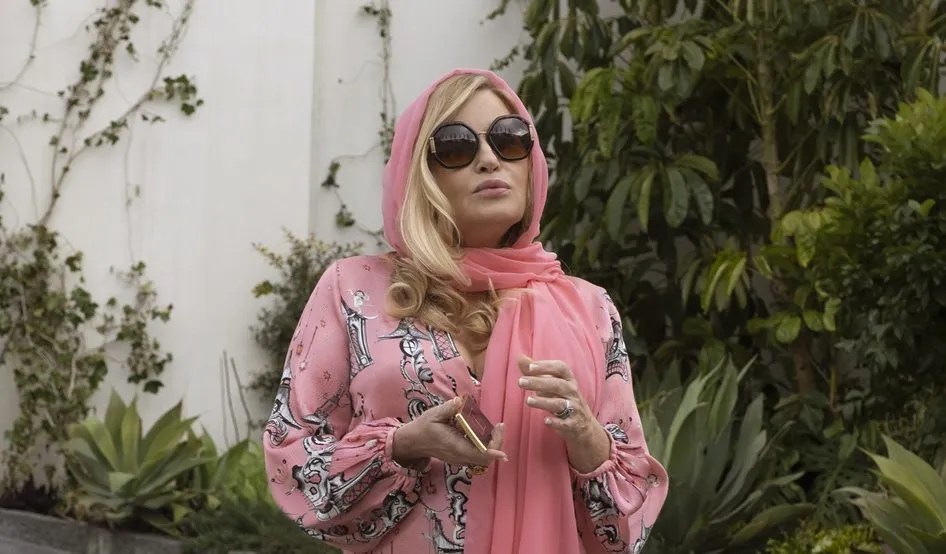
The highly anticipated third season of Mike White’s The White Lotus premiered last month, attracting a 2.4 million viewers across HBO and Max platforms on its debut night. This marks a 57% increase from the Season 2 premiere according to IMDb.
The series is a witty social satire that follows the exploits of wealthy (and often dysfunctional) guests who visit the White Lotus resort chain and their interactions with the locals and hotel staff.
Season 3 is set in Koh Samui and according to ABC News, as a result of “The White Lotus effect,” there has already been an increase in searches and bookings for trips to Thailand. Season 1 and 2 were set in Maui and Taormina, which experienced “set-jetting” following the series, a phrase for when individuals fly to a destination where something was filmed to experience the area firsthand.
In a series where location plays such a significant role, the show has inevitably been criticised for its representation of local populations, in particular the “orientalism” of Thailand and the Thai people and a “clueless” portrayal of native Hawaiians. Critics explain that the show can be seen as using local people as “exotic fodder” to the American guests.
However, I argue that this lens is a significant part of what makes The White Lotus so great: Mike White writes what he knows. White was born in Pasadena, California, and interestingly, has extensive experience in reality TV. He competed on The Amazing Race twice with his father, an experience he credits to deepening his understanding of human behaviour. His most notable reality TV appearance was on Survivor in 2018, where he gained valuable insights into human dynamics under pressure.

White writes about human nature, through the lens of a white American, exploring the dynamics of interpersonal and family relationships and that with oneself when travelling.
The locations influence the themes of the show; White explains that Season 2 focused on a European-influenced power dynamic on its guests and Season 3 seeks to explore spiritual tourism and the Western fascination with Eastern philosophies.
But at no point are the guests of the White Lotus represented as experts, or even anything less than ignorant. Their privilege and whiteness are an important facet of the show, framed through a satirical lens. I believe that White’s experience with reality TV contributes to this nuance, it’s the same nod to viewers about the extreme privilege of its main cast that makes international trips on the Real Housewives so iconic.
We’re not expecting them to be experts, and they’re no Antony Bourdain immersing themselves in local culture, yet we’re entertained by their insanity which generates hilarious phrases and characters. Think Jennifer Coolidge as Tanya and Parker Posey as Victoria.
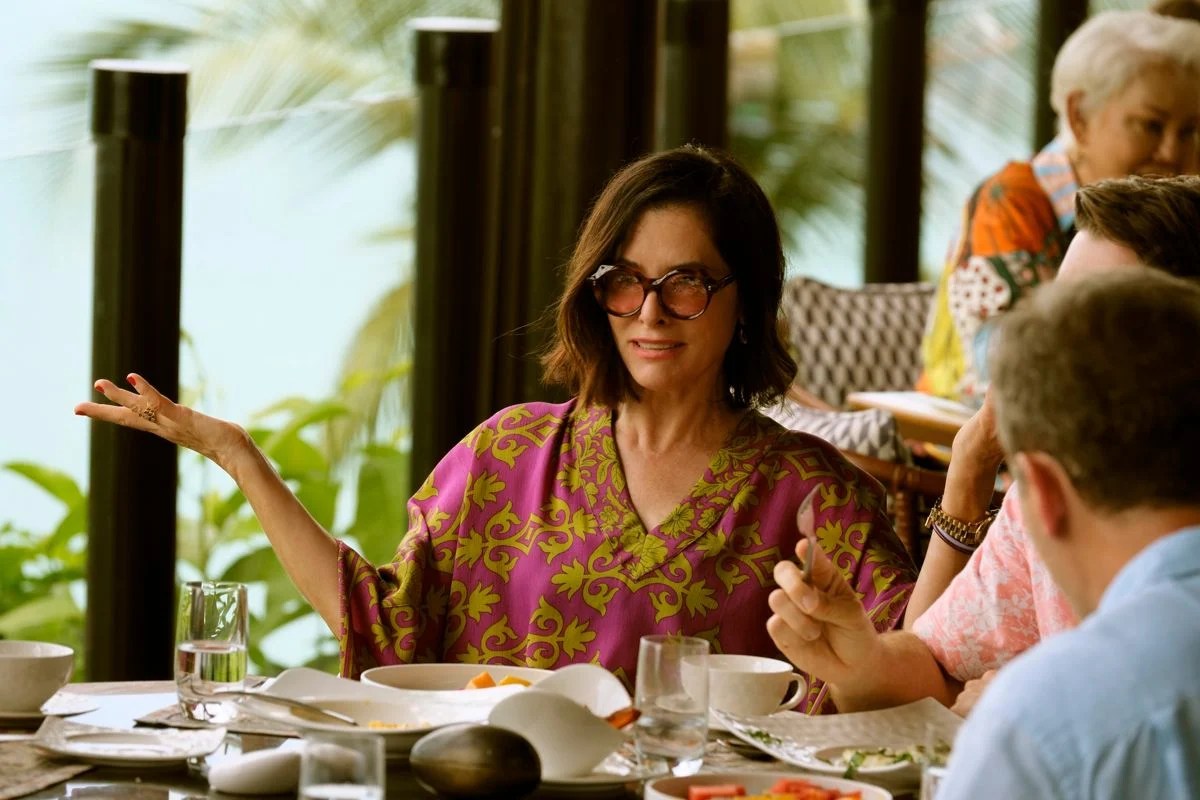
The White Lotus continues to captivate audiences with its examination of human nature and the complexities of travel through a lens that is honest to its creator. It’s clear that Mike White’s writing is intentional in highlighting the ignorance of its wealthy guests. White delivers a poignant yet funny commentary on the dynamics between tourists and the places they visit that is pure pop culture fuel.
 Marketing by Melina
Leave a comment